
Dairy Automation

Dairy

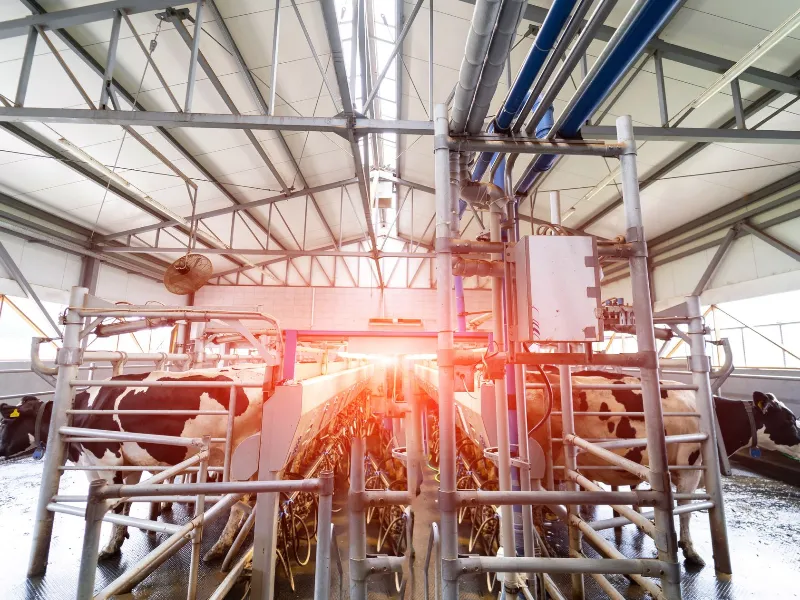
The dairy industry process draws on tradition, science, and developing technology, transforming raw milk into a diverse range of final products. From fresh milk to cheeses, yogurts, butters, and other products.

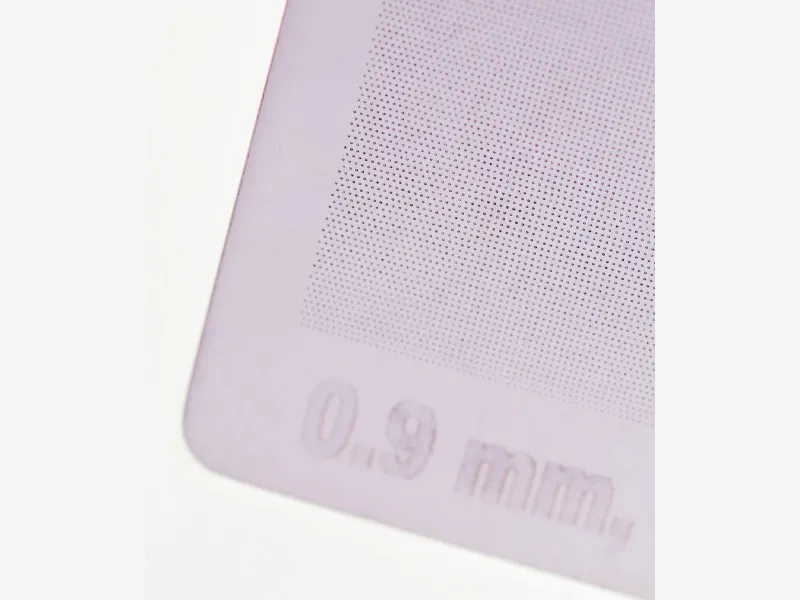
ActionLaser laser drilled stainless steel screens are used across the processing steps from milk collection at robot stations, decanting for transportation, clarification/filtration processes as well as specialised applications such as capture of lactose.

Benefits include the ability of Laser Screens to replace cloth and other filtration products where potential trace elements or high maintenance / replacement of filters is of high demand. Trends towards Clean-In-Place filtration, automation and robot operations require leading technologies for filtration to be developed. Similarly, sustainability initiatives where water, energy savings, waste minimisation and maintenance reduction targets are in focus.

ActionLaser is a pioneer in the milk and allied food industries drawing experience from over 35 years of producing and developing customised solutions to the dairy industry.

Lactose

Automated dairy operations rely on consistent filtration to maintain hygiene, flow stability, and predictable system performance. Milk contains fine solids and foreign material collected at the point of milking, all of which must be removed without disrupting flow or placing an uneven load on downstream equipment.

In automated environments, filtration is subjected to continuous operation and repeated cleaning processes. Traditional cloth and mesh filters have a limited hygienic operating life and can introduce variability as they load, deform, or require replacement. When filtration performance becomes inconsistent, the impact is felt quickly through flow restriction, pressure variation, and added intervention, turning what should be a stable control point into a source of disruption within the system.

Automation

Laser-drilled stainless-steel filtration screens are designed for stable milk flow and reliable operation within automated dairy processing systems.

Filtration Challenges in Automated Dairy Systems

Automated dairy operations rely on consistent filtration to maintain hygiene, flow stability, and predictable system performance. Milk contains fine solids and foreign material collected at the point of milking, all of which must be removed without disrupting flow or placing an uneven load on downstream equipment.

In automated environments, filtration is subjected to continuous operation and repeated cleaning processes. Traditional cloth and mesh filters have a limited hygienic operating life and can introduce variability as they load, deform, or require replacement. When filtration performance becomes inconsistent, the impact is felt quickly through flow restriction, pressure variation, and added intervention, turning what should be a stable control point into a source of disruption within the system.

Stainless-Steel Filtration Compared with Cloth Filters

Cloth filters are widely used in dairy applications but are single-use consumables with a defined replacement interval. Maintaining hygiene compliance requires regular manual replacement, creating an ongoing consumable requirement and operational dependency on scheduled intervention.

In practical terms, this means someone must check and replace cloth filters at defined intervals to maintain compliance and flow performance. In many operations, this responsibility falls to the dairy farmer or site operator, making filtration a routine task that must be managed consistently throughout the day.

By contrast, laser-drilled stainless-steel screens reduce reliance on frequent consumable replacement. With a rigid filtration surface that maintains its geometry under continuous operation, automated dairy systems can operate with fewer interruptions associated with filter change-outs. Filtration becomes a stable part of the system rather than a task that dictates the farmer’s schedule.

Laser-drilled stainless-steel filtration screens provide an alternative approach. Manufactured from rigid stainless steel, the apertures retain their geometry under continuous use and does not collapse or distort as soft filtration media can. This helps maintain filtration performance stability over time, reducing variability introduced by filter deformation or inconsistent loading.

While stainless-steel filtration systems represent a higher initial investment than cloth media, they are designed for extended service life and consistent operation within automated dairy environments.

Stable Aperture Geometry and Flow Control

In milk filtration, aperture geometry directly influences flow behaviour and pressure stability. Variations across a filtration surface can lead to uneven loading, localised restriction, and inconsistent downstream performance.

ActionLaser screens are laser-drilled to defined specifications, producing smooth, uniform apertures without introducing mechanical forming stress into the material. Maintaining consistent aperture geometry supports even milk distribution across the screen surface and helps limit flow variation during operation.

This stability is particularly important in automated systems, where predictable flow behaviour supports reliable process control and simplifies hygiene management.

Where ActionLaser Fits in Dairy Automation

To understand how laser-drilled stainless-steel filtration can be applied within your automated dairy system, speak with ActionLaser about screen configuration and application requirements.

Results and ROI

ActionLaser filters provide automated dairy systems with long-term reliability that cloth filters simply can’t deliver. By moving away from cloth filtration and into laser-drilled stainless steel, dairies remove an ongoing consumable cost and, more importantly, free farmers from being tied to the constant task of checking and replacing filters at set times every day.

Operations that have made the switch see immediate improvements. Milk flows more cleanly, equipment runs with fewer interruptions, and cleaning becomes faster and far less labour-heavy because the apertures resist fouling and hold their shape.

The return goes well beyond reduced consumables. Less downtime, fewer disruptions to the equipment and a more predictable process from start to finish all contribute to stronger overall efficiency. ActionLaser filters remove a known weak point in automated dairy lines and replace it with a filtration system that provides quality, stability and long-term value.

Stable, consistent milk flow

Laser-drilled apertures maintain defined geometry under continuous operation, supporting predictable flow behaviour and reducing variability caused by filter deformation.

A rigid alternative to cloth filtration

Stainless-steel laser-drilled screens provide a fixed filtration surface that does not collapse or degrade like soft filtration media, supporting more consistent performance over extended operating periods.

Filtration suited to automated systems

Dimensional stability and application-specific design allow stainless-steel screens to integrate reliably within automated dairy environments where filtration variability can disrupt process control.

Reduced fouling potential

Smooth stainless-steel surfaces and uniform apertures help limit material build-up caused by distortion or uneven loading, supporting more consistent filtration behaviour during operation.

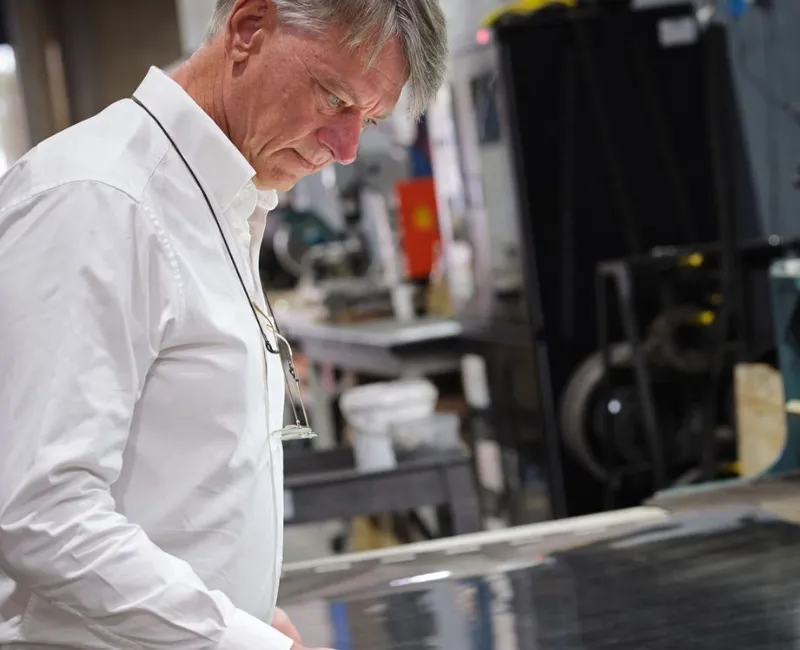
Senior technician closely inspecting a large metal filtration sheet on the factory floor.

Stronger Filtration for Consistent Milk Handling

Milk contains fine solids and foreign bodies collected from the cow’s teats, all of which must be removed reliably in automated dairy systems. Traditional cloth filter systems have a limited hygienic operating life and require constant manual replacement by a dairy farmer or worker. This ongoing labour demand is increasingly difficult to sustain, particularly in European markets where skilled dairy labour is becoming harder to source and younger workers are less willing to take on repetitive manual tasks.

ActionLaser screens are the solution. Our laser-drilled stainless steel apertures hold their geometry through continuous use, capturing solids and foreign material predictably while maintaining steady milk flow. Unlike cloth filters, the screens do not distort, collapse, or degrade through repeated cleaning cycles, allowing filtration to remain stable without daily intervention.

With reliable screens in place, automated dairy systems operate with fewer interruptions and little to no external labour input. Filtration no longer dictates the farmer’s schedule, hygiene compliance becomes easier to maintain, and milk handling remains consistent without constant checking, replacement, or corrective work.

laser drilled filtration systems and screens

Custom-engineered perforated screens built to outperform and outlast in every application.

Our Filtration Systems and Screens

Frequently Asked Questions

How do ActionLaser’s stainless-steel filtration screens support reliable operation in automated dairy systems?
Laser-drilled apertures maintain defined geometry under continuous flow and repeated cleaning processes. Consistent aperture geometry supports predictable milk flow and helps limit pressure fluctuations within automated systems, contributing to stable, reliable operation.
Why are laser-drilled stainless-steel screens used instead of cloth filters in some automated dairy applications?
Cloth filters are single-use consumables that require regular manual replacement to maintain hygiene compliance. Stainless-steel screens provide a rigid filtration surface that retains its shape during use, helping maintain consistent filtration performance over extended operating periods. This can reduce variability introduced by frequent filter changes.
How does aperture consistency contribute to hygiene and flow stability in milk filtration?
Uniform apertures reduce areas where material can accumulate due to distortion or uneven loading. Consistent geometry supports stable flow behaviour and allows cleaning processes to act more evenly across the filtration surface, supporting hygiene management within dairy systems.
Do ActionLaser filtration screens reduce maintenance requirements in automated dairy operations?
By retaining their geometry and resisting deformation, stainless-steel screens can reduce maintenance associated with filter collapse or inconsistent performance. Maintenance requirements depend on the overall system design and operating conditions, but stable filtration components help limit unplanned interventions caused by filtration variability.
Can ActionLaser manufacture filtration screens for specific dairy equipment or automation systems?
ActionLaser manufactures laser-drilled filtration screens to application-specific requirements. Aperture size, spacing, and open area can be matched to the characteristics of individual dairy systems, supporting integration with existing equipment and cleaning processes.