

Drier lactose crystals at discharge
Reduced moisture load entering fluid-bed dryers.
Client: Western States Machine Company and multiple global centrifuge OEMs
Application: Centrifugation of crystallised lactose prior to drying
Industry: Dairy Processing
Lactose production relies on centrifugation to recover crystallised lactose before drying. While similar to sugar manufacture, lactose plants operate under far tighter energy constraints.
Unlike sugar mills, lactose facilities have no excess energy available. The dryness of crystals leaving the centrifuge directly affects dryer efficiency and operating cost.
Traditional chrome nickel and Conidur-style screens provided acceptable separation. However, they left higher residual moisture in the lactose crystal cake.
ActionLaser screens were introduced through OEM trials rather than process redesign. Performance improvements were measured downstream at the dryer.
ActionLaser worked with OEMs and lactose producers on a solution that;
Lactose centrifuges must balance separation efficiency with energy consumption. Higher residual moisture increases the load on downstream dryers.
Fluid-bed dryers are one of the largest energy consumers in lactose plants. Any increase in inlet moisture directly raises operating cost.
Chrome nickel and Conidur screens limited achievable dryness. Plants required better dewatering without altering centrifuge design or process settings.
An OEM centrifugal manufacturer, Western States Machine Company, trialled ActionLaser screens. The trials followed observations of superior performance in sugar centrifuges.
Laser-drilled stainless steel screens were installed as direct replacements. No process changes or machine modifications were required.
The screens delivered improved dewatering through controlled aperture geometry. Longer service life was also observed compared to conventional screen materials.
The laser screens consistently produced drier lactose crystals at discharge. This reduced the moisture load entering fluid-bed dryers.
Dryer energy consumption decreased as a direct result. Operating costs were reduced without compromising throughput or quality.
Based on these results, the OEM converted its installed lactose centrifuge base. As centrifuge designs evolved, other manufacturers independently validated the same benefits.
Adoption followed across North America, Europe, and Australasia.
Laser drilling delivered precise, repeatable aperture geometry. This improved liquid removal during centrifugation.
Stable geometry ensured predictable dewatering behaviour over time. Unlike conventional screens, performance did not degrade quickly with wear.
Stainless steel construction supported long service life. This maintained dryness performance across extended operating cycles.
For lactose producers, reduced dryer energy translated directly to cost savings. This was critical in plants with limited energy availability.
Longer screen life reduced replacement frequency and maintenance effort. Screens became a durable system component rather than a consumable item.
Over the past decades, OEM validation has established ActionLaser as a preferred solution. Performance was proven through operation, not marketing claims.

Reduced moisture load entering fluid-bed dryers.
Direct operating cost savings in energy-constrained plants.
No process or centrifuge changes required.
Longer service life than chrome nickel and Conidur screens.
ActionLaser Team
Engineering, Manufacturing & Filtration Specialists
This article was written by the ActionLaser team, a group of engineers, laser specialists, and manufacturing professionals focused on precision stainless steel filtration. The team works closely across design, production, and customer support to ensure filtration behaves predictably in demanding applications. Their work is grounded in real operating conditions, careful validation, and a shared responsibility for long-term performance.


ActionLaser improved energy efficiency in lactose production by supplying laser-drilled stainless steel centrifuge screens that produced drier lactose crystals at discharge.
ActionLaser improved energy efficiency in lactose production by supplying laser-drilled stainless steel centrifuge screens that produced drier lactose crystals at discharge.

ActionLaser helped British Sugar solve rapid screen wear in continuous sugar centrifugals by replacing chrome-nickel screens with laser-drilled stainless steel alternatives.
ActionLaser helped British Sugar solve rapid screen wear in continuous sugar centrifugals by replacing chrome-nickel screens with laser-drilled stainless steel alternatives.
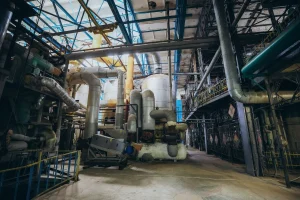
ActionLaser manufactured precision laser-drilled SRI Jigger Tubes with 0.2 mm holes to improve circulation and heat transfer in sugar vacuum pans.
ActionLaser manufactured precision laser-drilled SRI Jigger Tubes with 0.2 mm holes to improve circulation and heat transfer in sugar vacuum pans.
Our chrome coated stainless-steel laser-drilled filtration screens are engineered to improve yield, efficiency, and reliability in demanding industrial environments where performance matters most. For customers seeking new, leading-edge screen specifications, ActionLaser works closely with process engineers, OEMs, and production facilities to develop solutions tailored to your specific challenges. This collaborative, application-driven approach delivers longer screen life, reduced maintenance requirements, and measurable productivity gains across your real-world operating conditions.
Wherever efficiency and precision are critical, ActionLaser technology delivers lasting results.






 Inspired by the Australian grass tree - resilient, precise, and enduring - ActionLaser embodies the same strength and renewal that define lasting performance.